
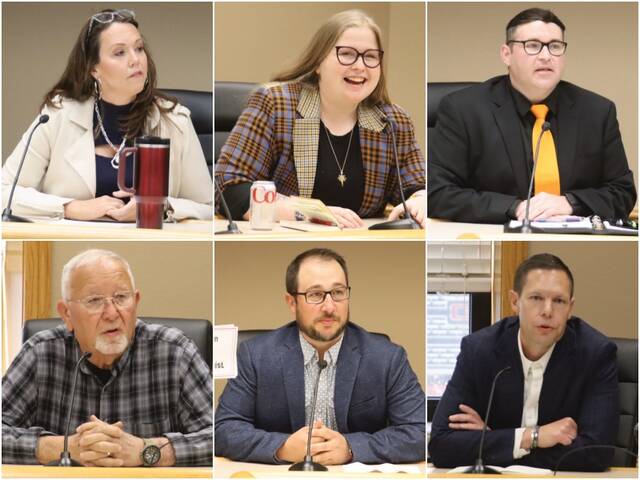
Tuesday, June 2, is an election in South Dakota. Voters of all parties are encouraged to vote for local races, which are now part of the ballot for the statewide primary ballot.
The Huron area has three races of note, and one other vote that will decide local seats.
The Plainsman reached out to candidates for the Huron school board, Huron city commission, and Beadle County Commission. Their answers are here to prepare you to vote on Tuesday.
Siemonsma, Meirose vie for school board seat
Shelly Siemonsma (SS) and Sarah Meirose (SM) are competing for a seat on the Huron School Board.
Plainsman: What qualifies you to run for the seat?
SM: Science fiction author Octavia Butler once said, “Where you stand affects what you’re able to see.” I stand at the front of a classroom; I stand beside my students. I see what they arrive prepared for, and I see where they struggle. My experience as an educator gives me a clear, practical lens on how K-12 foundations shape learners for the rest of their lives. When it comes to policy-making, I hold firm to Randi Weingarten’s litmus test: Is it good for students, and is it fair for teachers? My position as an educator allows me to apply that litmus test in ways that are realistic, not hypothetical. I admit there’s much I can still learn about K-12 education, but there’s nothing I’m afraid of learning, and there’s no question I’m afraid of asking.
SS: I bring a combination of professional experience, community involvement, and a deep commitment to education that I believe serves our district well. In my career, I have led complex projects that require data-driven decision-making, fiscal responsibility, and collaboration across diverse teams, skills that directly translate to effective school board governance.
Beyond my professional experience, I am deeply invested in our community and our schools. I understand the challenges our district faces, from supporting teachers and staff to ensuring every student has the opportunity to succeed, and I approach these responsibilities with both accountability and empathy.
During my time on the school board, I have prioritized transparency, thoughtful stewardship of taxpayer resources, and decisions grounded in what is best for students. I’ve worked to build strong relationships with educators, families, and community partners, because I believe meaningful progress happens when we listen, collaborate, and stay focused on shared goals.
Ultimately, I am qualified because I care deeply about this district, I bring a steady and informed approach to decision-making, and I am committed to continuing the work of strengthening our schools for every student and every family we serve.
P: As you consider the recent work of the Huron School Board, what was done well? What could use improvement?
SS: Over the past several years, I am proud of the board’s disciplined and thoughtful stewardship of the district. In a time marked by economic uncertainty, declining enrollment, and shifting state and federal pressures, we have remained steadfast in our responsibility to maintain a balanced budget without losing sight of our core mission, serving students. That kind of fiscal discipline is not accidental; it requires difficult decisions, long-term thinking, and a willingness to prioritize sustainability over short-term ease.
Equally important has been our commitment to transparency and collaboration. We have worked to strengthen communication with staff and the broader community, recognizing that trust is built through consistency, openness, and a shared understanding of both our challenges and our progress.
At the same time, there is always more work to be done. Schools today are navigating challenges that are increasingly complex and, at times, unpredictable. From declining enrollment trends to uncertainties in federal and state policy, to the growing behavioral and social-emotional needs of students, districts are being asked to adapt in ways that cannot always be fully anticipated or planned for.
Moving forward, we must continue to strengthen the supports available to our teachers and staff as they address these evolving student needs. This includes ensuring they have the tools, resources, and professional support necessary to maintain safe, productive learning environments. We must also remain proactive, continue to explore innovative solutions, strengthen community partnerships, and advocate for policies that support rural and mid-sized districts like ours.
The challenges facing education today are coming from every direction, and not all of them come with a clear roadmap. What matters is that we remain steady, thoughtful, and united in our approach, grounded in data, guided by experience, and always focused on what is best for our students.
SM: I appreciate the Board’s continued investment in Career and Technical Education, which reflects an understanding that students need multiple pathways and definitions of success after high school. I recently toured the new Huron High expansion, and saw the CTE building’s incredible classrooms for welding, auto, healthcare, and construction programs. The new facilities open up phenomenal opportunities for our students to be academically challenged while gaining industry experience.
One area for growth is transparency with the public when it comes to financial language and sustainable decision-making. I find it very similar to when I give my students an assignment; they want to understand why I’m having them do this, and how it will benefit them. When families and educators understand not just what is happening but why, it builds trust. Having attended board meetings for over a year, I haven’t seen much active discussion in front of the public. It often seems that the case is already closed before the cameras go live, and perhaps that’s normal procedure for many boards. But when we’re dealing with public dollars and the collective futures of our community’s children, we need people who aren’t camera-shy about asking questions or wanting more information before a vote is called.
P: Funding concerns are at the front of the Huron School District right now. What do you see as a way to address these concerns?
SM: There are no easy answers to school funding, but there are responsible ones. The key is staying focused on what most directly supports students and classrooms, and being honest with the community about tradeoffs. No one wants to outright say that the district overspent, or come out with a mea culpa, because nobody wants to be viewed as the “bad guy.” But the reality is that you have to name the problem and take control of the situation before it takes control of you. Some of the factors in our budget crisis were unpredictable, of course. Huron 2-2 has no power over what the Federal Reserve does with interest rates; Huron 2-2 doesn’t control inflation or insurance premiums. But we do have control over how much debt we take on and the projects we pursue. How our district spends money is not miracle-work, it’s math and choices. I’d argue we need to make more sustainable financial choices. If we know enrollment is declining but we budget as if it’s increasing, we’ll just keep digging a deeper hole. I was glad to see the budget proposed in May already taking this into account; if we need to tighten our belts again then it won’t be such a drastic squeeze, and if we end up with higher numbers then we’ll have some pleasantly unexpected flexibility.
SS: Funding is, without question, one of the most pressing challenges facing school districts today, and Huron is not immune to those pressures. However, it is important for our community to understand that we are approaching this moment from a position of discipline and responsibility. We maintain a balanced budget, and that is a reflection of intentional, careful stewardship of taxpayer dollars over time.
We are fortunate to have an experienced and capable administrative team, leaders who understand not only the unique needs of their buildings, but also the financial structures required to sustain them. That level of expertise allows us to make informed decisions, prioritize effectively, and remain steady even as external pressures continue to evolve.
At the same time, we must be honest about what is within our control and what is not. Rising costs, particularly in areas like insurance, are largely dictated by forces beyond the district. We cannot eliminate those pressures, but we can respond with thoughtful strategies elsewhere. This includes making smarter decisions around energy procurement, identifying efficiencies, and continuously evaluating where we can be better stewards of our resources.
There are also areas where public perception does not always reflect financial reality. Investments such as new scoreboards, for example, have been questioned as unnecessary. In truth, these projects are structured to be self-sustaining through advertising partnerships, and the funds used are restricted by law for facilities and grounds improvements, they cannot be redirected toward classroom instruction or operational expenses. It is important that we continue to communicate these distinctions clearly and transparently.
Ultimately, addressing funding concerns requires both discipline and perspective. We must continue to manage what we can control, adapt to what we cannot, and remain committed to making decisions that are responsible, transparent, and centered on the long-term success of our students.
Carr, Weinreis compete for open city commission seat
The open seat on the Huron City Commission vacated by Bryan Smith has two candidates – Drew Weinreis (DW) and Joshua Carr (JC).
Plainsman: Tell the voters about yourself (background, work, family) and what qualifies you for the seat.
JC: I’ve lived in Huron for nearly 17 years, and I believe that alone provides an important qualification. Over that time, I’ve learned a great deal about how Huron functions and develops to create success. One of the things I appreciate most about this community is that it thrives because of people who are willing to step forward and serve.
Throughout my career, I’ve held a variety of leadership roles, including serving as president of the South Dakota Chiropractic Association and as a delegate to the American Chiropractic Association. Locally, I’ve been involved with the Huron Sertoma Club, the Huron Chamber, and other committees and boards over the years.
I also believe that running a small business alongside my family for 16 years has prepared me well for public service. Small business ownership requires leadership, communication, financial responsibility, and the ability to work with people from many different backgrounds and perspectives.
Community involvement has also been a major part of our family’s life in Huron. My wife has been highly involved in the community through her service on the United Way board, the library board, and the Huron Regional Medical Center Foundation. Our children, Noah and Avery, are both active in school athletics and the music department, which has helped keep our family connected and invested in the future of this community.
My professional career has always centered around service. As a chiropractor, I worked closely with patients to understand their challenges and help improve their quality of life. Now, as a financial advisor with Edward Jones, I continue serving people by helping them navigate financial challenges and plan for their future.
No matter the role, I come back to my three core values: health, wisdom, and inspire. To me, health goes beyond physical well-being. It also means asking what a healthy community looks like and how we strengthen the organizations, relationships, and systems that help a city thrive. Wisdom means taking the time to gather information, listen to others, and make thoughtful decisions rather than rushing to conclusions that could impact the future. Good leadership requires understanding the long-term impact decisions can have on a community. Lastly, inspire means encouraging others to become involved and helping people recognize that they can make a difference. Strong communities are built when people feel empowered to contribute and work together toward something better.
DW: I am a lifelong Huron resident and serve as Senior Vice President of Member Services at Dakotaland Federal Credit Union. I’ve been with Dakotaland for 14 years. I am active in the community, serving as President of the Board of Directors for the Center for Independence and on their foundation board. I also serve on the Huron Community Campus Board, Huron Community Improvement Committee, the Beadle County Humane Society Board, and am a member of the Huron Christian Church and a Chamber Ambassador. I previously served on the Huron City Commission from 2021–2025.
My previous experience on the City Commission has given me the leadership, knowledge, and experience to continue moving Huron forward. During my time, We worked on downtown revitalization efforts, and I am proud of the progress we have made, including increased occupancy and property owners reinvesting in their storefronts. I also helped support the purchase of 100 acres for future development and partnered with Greater Huron Development on new housing initiatives. In addition, I have experience overseeing departments, helping hire key city staff, and organizing community efforts such as storm clean-up and city-wide clean-up projects.
P: As you consider the recent work of the Huron City Commission, what was done well? What could use improvement?
DW: The City has made strong progress in infrastructure, including improvements to downtown water and storm sewer systems and development of a new solid waste transfer facility. The focus on housing and economic development continues to be a strength. One area that can improve is communication and transparency. I have supported efforts to expand communication through social media and other modern channels to better share updates on job openings, street closures, public meetings, and city decisions. This is an important next step to ensure residents feel informed and engaged. Additionally, I believe strongly in supporting our City staff. These employees often work behind the scenes, and I have been committed to ensuring they receive fair wages and benefits while balancing responsible use of taxpayer dollars. I have worked to build strong relationships, including negotiating with unions, to ensure we maintain a workforce that can effectively serve the community.
JC: I believe the City of Huron is in one of the strongest positions it has been in for quite some time, and that is a credit not only to the City Commission, but also to organizations like the Greater Huron Development Corporation, the Huron Chamber, and many community leaders who continue to invest in Huron’s future.
One area the commission has done particularly well is maintaining fiscal responsibility. Because of decisions made over many years, the city is in a position where it can invest in important needs like a new ladder truck for the fire department without creating unnecessary financial strain. I also believe the commission has done a good job supporting development through tools such as TIF programs. Those efforts have helped encourage both residential and business growth, and Huron would not be experiencing its current momentum without that partnership between the city and private development.
As far as improvement, I see it less as correcting major problems and more about preparing for future challenges. Huron is growing and changing, and with that comes the responsibility to ensure city departments continue operating efficiently and responsibly.
I also believe there is an opportunity to increase community involvement. Over the past several months, I’ve attended commission meetings and noticed that public attendance is often low. That does not reflect poorly on the commission, but it does highlight the importance of continuing to engage residents and encourage participation in local government. Moving forward, the key will be maintaining the city’s fiscal responsibility while continuing to plan thoughtfully for Huron’s future growth and needs.
P: How can the City Commission encourage more diverse voices?
JC: Huron already has a diverse population that is active in the workforce, schools, businesses, and community life. The question is how we better connect those individuals and families to city committees, boards, and local government. Part of that may simply come down to understanding. Many people, not only within diverse populations but across the community in general, may not fully understand what city committees and the commission does or how they can become involved. Whether someone is a small business owner, employee, young professional, or longtime resident, there are many voices in Huron that are not currently represented in local government discussions. I believe the city can improve involvement through stronger outreach, education, and relationship-building. That means helping residents understand how local government works, how committees function, and how their input can make a difference. The goal should be creating stronger connections across the community so that more people feel welcomed, informed, and empowered to participate in shaping Huron’s future.
DW: In my role at Dakotaland, I oversee interpreter services and have gained firsthand experience in making sure all voices are heard. This has taught me the importance of actively engaging individuals from diverse backgrounds and removing barriers to participation. As a City Commissioner, I would continue to encourage inclusive representation on boards and committees, seek input from a variety of community groups, and ensure meetings and communication are accessible to everyone.
Beadle County Commission sees Moeding and Lindquist run for District 1, McGirr for District 3
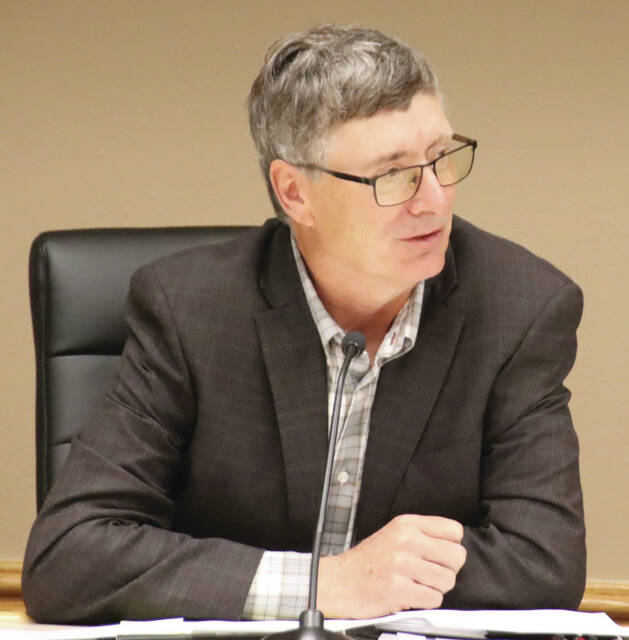
District 1 county commissioner Denis Drake chose not to run for re-election, and Tom Moeding (TM) and Justin Lindquist (JL)are running for his position on the Beadle County Commission. Jeff McGirr (JM) is running for the role in District 3 recently vacated by previous commissioner Allen Greenfield.
Plainsman: What qualifies you to run for this seat?
TM: I’m qualified to run for this seat because I understand the challenges people in Beadle County are facing, and I have the experience and work ethic to deliver results. My background in working with the public during emergency planning and disaster response has taught me how to solve problems, work with different people, and stay accountable.
I’m not running for a title — I’m running because I believe this ccounty deserves leadership that listens, communicates honestly, and follows through. I’ve spent time talking directly with residents about issues like taxes and infrastructure and I’m prepared to advocate for practical solutions that actually help people here.”
JL: I live at Lake Byron and I am a resident of Beadle County. I have 22 years experience leading and managing people. I feel I am very level headed and have common sense. I have taken different courses that help leaders to work with their teams and understand each persons communication style. I believe that understanding how someone communicates and receives information is helpful when dealing with different departments and organizations. Other valuable skills I use daily are contract negotiation, understanding terms and conditions of contracts, dealing with contractors and deadlines. I feel all of the tools make me a great candidate for this seat. JM: I have been a self-employed business owner for nearly 40 years and have spent many years serving our community on local boards and committees.
I currently serve as chairman of the Mid-Dakota Rural Water Board and have represented Huron on the board for the past 15 years. I also serve on the South Dakota Rural Water Board as treasurer and executive board member.
In addition, I have served on the Huron Chamber and Visitors Bureau board, including as president. I am also a past president and treasurer of the James Valley Shrine Board. I am a member of the Huron Masonic Lodge, High Twelve, and the James Valley Shriners.
Through these roles, I have worked on policy, labor, and budget committees, gaining valuable experience in leadership, budgeting, and public service.
P: As you consider the recent work of the Beadle County Commission, what was done well? What could be improved?
JL: In my opinion things are running well. As I have talked to my constituents, there have been some issues that have come up. Most of these issues are typical and inline with other counties that I deal with. We have some amazing department leaders and I feel the best thing we can do as the Commission is to give them the resources and tools they need to be successful, within budget and realistic.
JM: I believe Beadle County does a good job maintaining roads and providing services compared to many other counties, and I would like to see that continue.
At the same time, there is always room for improvement. Working within a fixed budget can be challenging, so exploring new funding opportunities and making sound fiscal decisions should remain priorities.
I also believe the commission should continue listening to both county residents and county employees to better understand their concerns and priorities.
TM: From the publicly available agendas, meeting materials, and related county activity, it looks like the Beadle County Commission has been fairly active on core county responsibilities — especially infrastructure, administrative transparency, and intergovernmental coordination.
Overall, the commission appears to be functioning competently on the operational side of county government — roads, grants, boards, and administrative continuity. The biggest opportunity likely isn’t basic governance capacity, but deeper public engagement and clearer communication about priorities and outcomes.
A few things appear to have been handled well:
– The county has maintained a consistent and publicly accessible agenda/minutes system, which is one of the clearest indicators of procedural transparency in local government. Residents can review meetings, packets, and actions online through the county agenda center. – Infrastructure planning seems to be a significant focus. Beadle County was among the counties receiving multiple South Dakota Bridge Improvement Grants, suggesting the county has stayed current on required highway and bridge planning to qualify for outside funding. That is generally a strong sign of proactive management rather than reactive maintenance. – The commission also appears engaged with regional boards and partnerships involving emergency planning, transit, health care, and regional development organizations. That kind of coordination matters in a rural county where resources are shared across jurisdictions. Areas that could likely use improvement:
– Communication with the broader public could probably be stronger. While agendas and packets are technically available online, local governments often struggle to translate county business into plain-language summaries residents can quickly understand. More concise public recaps, project dashboards, or outreach on major spending decisions would likely improve public trust and engagement. – County commissions in rural areas frequently face criticism that meetings are accessible mainly to insiders who already understand county operations. More explanation of why decisions are made — especially around zoning, roads, taxes, and long-term capital planning — could help residents feel more included. – Long-term strategic planning visibility could be better. There is evidence of project-by-project management, but less publicly visible discussion of a broader multi-year vision for growth, housing, economic development, workforce retention, or rural sustainability. – Like many county governments, balancing transparency with efficiency is always difficult. Posting information is one thing; making it understandable and easy to navigate is another. The county website has improved functionality, but finding context behind decisions can still take work.
Leave a Reply